
A ‘Sustainable Private-Public Library’ built through voluntary community participation
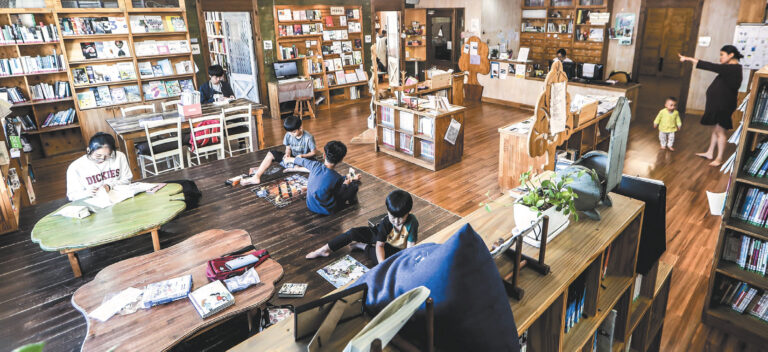
Started in 2005 as a small community gathering of seven residents, Maenbal Dongmu Library has evolved into a model ‘Library by the Citizens,’ with over 100 volunteers now participating in all aspects of its operation. As a ‘Private-Public Library’ that blends civic autonomy with public service from its founding to its daily management, it serves as a living example of how a local community can independently build and sustain its own cultural infrastructure.
An intergenerational ‘Village Community Hub’ for learning and growth
It is a space that serves as the ‘Village’s Pyeong-sang (Traditional Communal Deck),’ where all generations—from young children to seniors—come together in harmony. Moving beyond a place that simply lends books, it has become a hub where residents become each other’s teachers and colleagues, engaging in daily collective learning and practice. It is a place where neighbors connect through learning, and their personal growth is returned back to the village as a source of community vitality.
A ‘Village Archive’ for documenting and sharing local lives and history
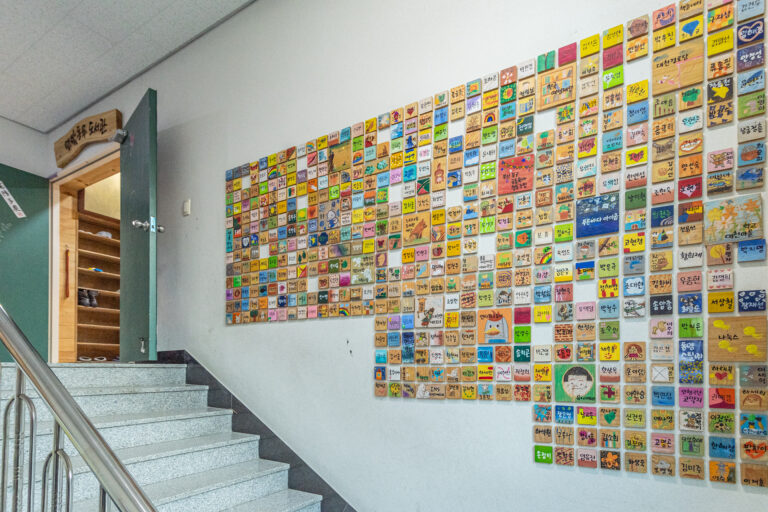
In addition to standard library services, Maenbal Dongmu Library operates a community archive titled ‘The House That Holds the Village.’ This facility is dedicated to collecting and preserving the local environment, culture, historical records, and the life histories of residents. By gathering, exhibiting, and sharing scattered local materials, it plays a pivotal role in establishing and strengthening the community’s local identity.
Library Overview
Library Name: Maenbal Dongmu* Library
(* Maenbal Dongmu means “a barefoot buddy”)
- Address: 64, Yangdal-ro, Buk-gu, Busan
- Facilities: Gross Floor Area: 330㎡ (3F)
Floor | Spaces |
3F | General Collection, Community Space, Offices |
B1 | Parking |
- Parking: 8 spaces (1 accessible)
- Staff: 3 (including 1 librarian) * Full-time staff
- Opened: July 17, 2005 / Reopened: November 4, 2010 (Relocated)
Main Features
- A ‘Sustainable Private-Public Library’ built through voluntary community participation
- An intergenerational ‘Village Community Hub’ for learning and growth
- A ‘Village Archive’ for documenting and sharing local lives and history
Nearby Attractions: Cultural Venues, Parks, Temples, and Local Dining
- Hwamyeong Eco Park, Hwamyeong Arboretum
- Gupo Station, Geumbit Noeul Bridge, Gamdong Naru-gil Riverwalk
- Geumjeongsan Mountain Hiking Trails